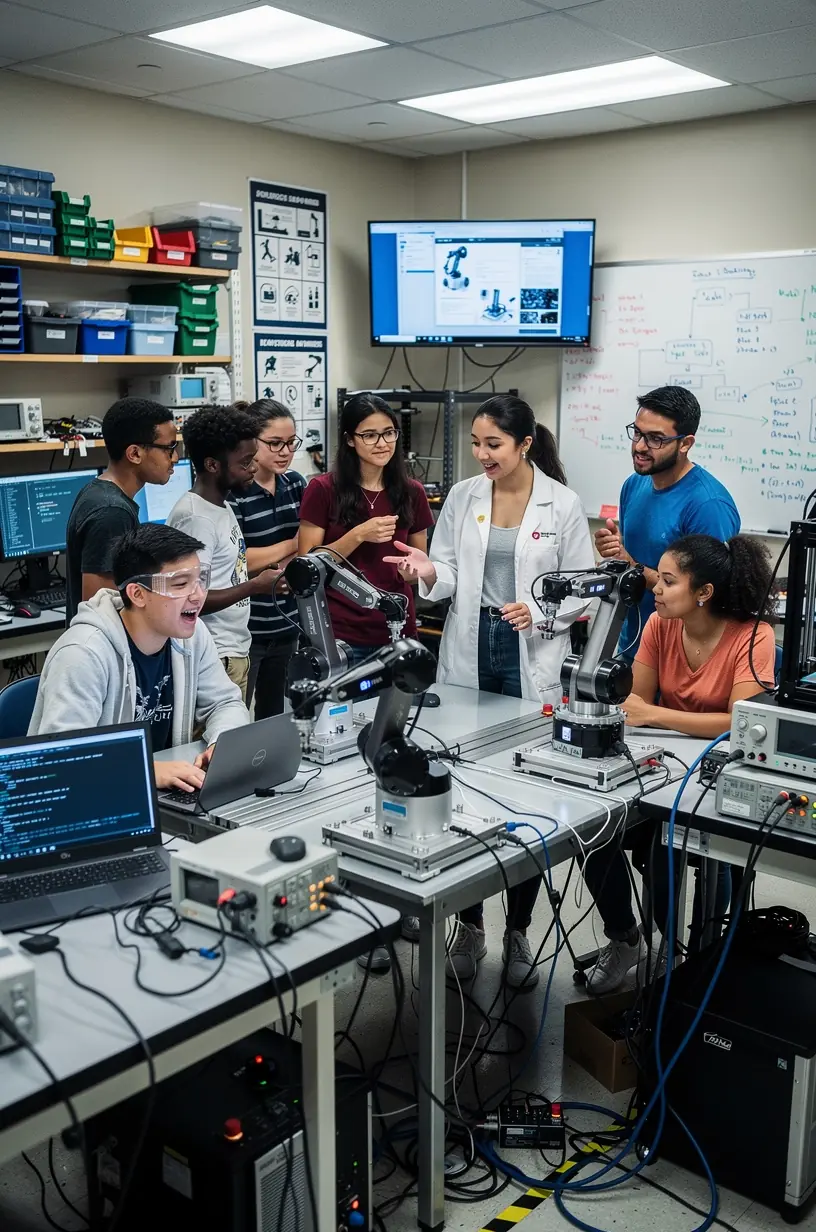
Understanding the Role of Automation in Daily Tasks
As technology advances, the integration of automation tools into daily tasks has become increasingly popular. Many users report improved efficiency and productivity, which can ultimately lead to a better work-life balance. In this article, we will explore the practical applications of automation and how it can be effectively implemented in everyday life.
Understanding the Basics
Automation refers to the use of technology to perform tasks with minimal human intervention. According to industry experts, automation can be classified into various types, including robotic process automation (RPA), artificial intelligence (AI), and simple task automation tools. These tools often help streamline repetitive tasks, enabling individuals to focus on higher-value activities.

"Automation is not about replacing jobs; it's about enhancing productivity and allowing workers to focus on more meaningful tasks."
Practical Application
- Task Management: Tools like Trello or Asana can automate reminders and task assignments, helping teams stay organized. Users often report that these tools can reduce planning time by 20-30% in collaborative environments.
- Data Entry: Automation software can help with data entry by extracting information from documents and inputting it into databases. This process typically requires a learning curve but can lead to significant time savings in the long run.
- Email Automation: Setting up automated responses and follow-ups can ensure that communications are timely. According to research, businesses that utilize email automation report improved customer engagement rates.
Challenges and Limitations
While automation can provide significant benefits, it is important to acknowledge its limitations. Many users find that implementing automation tools requires a commitment of time for setup and training. A typical implementation process can take between 2 to 4 weeks, depending on the complexity of tasks being automated.
Moreover, automation may not be suitable for all tasks. For example, tasks requiring creative thinking or emotional intelligence typically benefit from human oversight. It's essential for individuals and organizations to evaluate which processes can be effectively automated while maintaining quality and personal touch.
Conclusion
In summary, automation can play a transformative role in improving efficiency and productivity in daily tasks. By understanding the basics and practical applications, individuals can leverage automation tools effectively. However, it is crucial to set realistic expectations and acknowledge the time and effort required for successful integration. As technology continues to evolve, embracing automation responsibly may provide a significant advantage in both personal and professional settings.
Learn More