Practical Applications of AI in Personal Finance
As technology continues to evolve, the integration of artificial intelligence (AI) into personal finance is becoming increasingly relevant. This article explores practical applications of AI that can enhance financial management for individuals, focusing on the real-life benefits and considerations.
Understanding AI in Personal Finance
AI in personal finance refers to the use of machine learning and data analysis to assist users in managing their financial activities. According to industry experts, AI tools can analyze spending habits, predict future expenses, and even provide personalized financial advice. This works because AI systems can process large amounts of data at speeds far beyond human capability, allowing for insights that may not be immediately obvious.
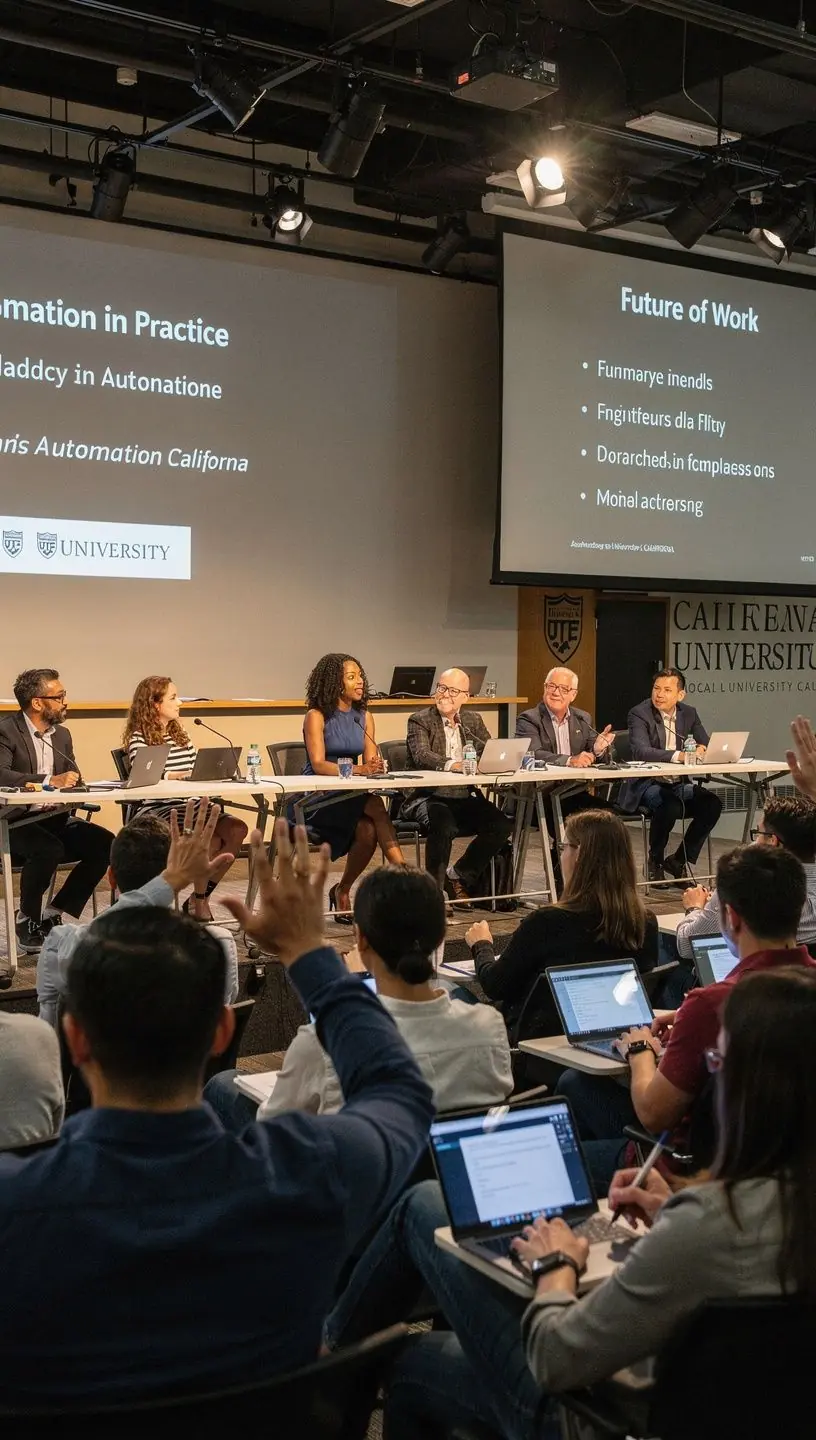
"AI technology can empower individuals to make informed financial decisions by analyzing their unique financial behavior." — Financial Technology Expert
Practical Applications of AI
Here are several ways that AI can be effectively applied in personal finance:
- Budgeting Assistance: AI-driven budgeting apps, such as Mint or YNAB (You Need A Budget), can track spending patterns and automatically categorize expenses. Many users report that using these tools has helped them stick to their budget more effectively.
- Investment Management: Robo-advisors like Wealthsimple use AI algorithms to offer tailored investment strategies based on users' risk tolerance and financial goals. Research indicates that these advisors can provide competitive returns, especially for those who may not have the time or expertise to manage investments actively.
- Expense Forecasting: AI tools can analyze historical spending data to predict future expenses. For instance, apps that utilize machine learning can send alerts and suggestions for saving based on upcoming bills or usual spending habits. This feature is particularly useful for those looking to improve their financial planning.
Acknowledging Limitations
While AI offers substantial benefits in personal finance, there are limitations to consider. Most AI tools require a certain level of commitment from users, as they typically need time to learn how to navigate and utilize these applications effectively. Additionally, the accuracy of predictions often improves with more data; thus, users may need to engage with these platforms periodically to see optimal results.
Conclusion
Integrating AI into personal finance can enhance decision-making and financial management for many individuals. By understanding the practical applications and recognizing the limitations, users can make informed choices that suit their financial needs. As technology continues to advance, staying informed and utilizing these tools can lead to better financial health over time.